
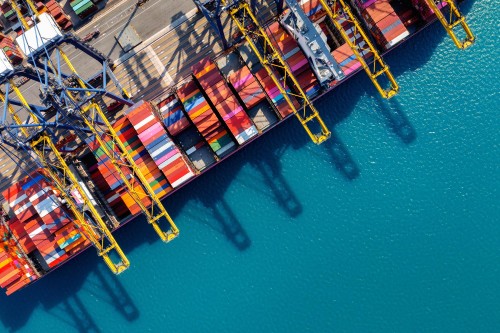
The European Union and China have embarked on a significant diplomatic effort to address a large €360 billion trade imbalance by initiating three months of intensive negotiations. This landmark agreement comes after mounting tensions over the surge in Chinese exports to European markets and aims to prevent a broader trade conflict between the two major economic blocs. The decision to hold talks, which marks the first joint statement between the EU and China in seven years, was reached in Brussels with the goal of forging a more balanced trade relationship.
EU Trade Commissioner Maroš Šefčovič emphasized the importance of achieving “tangible results” from these discussions ahead of the next high-level meeting in Beijing scheduled for October. The negotiations, which involve Chinese Commerce Minister Wang Wentao, are seen as a vital step in easing tensions through diplomatic channels. Both parties expressed a commitment to using the trade and investment consultations to strengthen dialogue on economic policies and stabilize their often-competitive relationship.
Despite the cooperative tone, European leaders are expressing concern about what they have dubbed “China Shock 2.0.” This term reflects fears that increasing Chinese exports could significantly impact European industries and jobs. Eurostat data reveals that Chinese exports to the EU surpass European exports to China by approximately €1 billion each day, a trend that Šefčovič has labeled as unsustainable. He stressed the necessity of achieving meaningful progress from these negotiations to address the growing trade deficit.
Industry groups in Europe have voiced worries that the influx of Chinese exports may undermine local manufacturing capabilities, especially in sectors heavily reliant on Chinese components. The scope of the dispute extends beyond electric vehicles and green energy products, touching on broader industrial competition. The negotiations will focus on four critical areas: balancing trade and investment, export controls including rare earth materials, intellectual property rights, and reforms related to the World Trade Organization.
In a bid to maintain oversight and control over trade dynamics, the EU and China have agreed to establish a monitoring system to track sudden shifts in import or export levels. This system is designed to ensure that any spikes requiring political intervention are promptly addressed. The EU’s cautious approach follows the limited success of tariffs imposed in 2024, which failed to significantly curb Chinese electric vehicle imports. European officials are now contemplating additional measures, such as potential quotas on hybrid vehicles and chemical products, to protect local industries.