
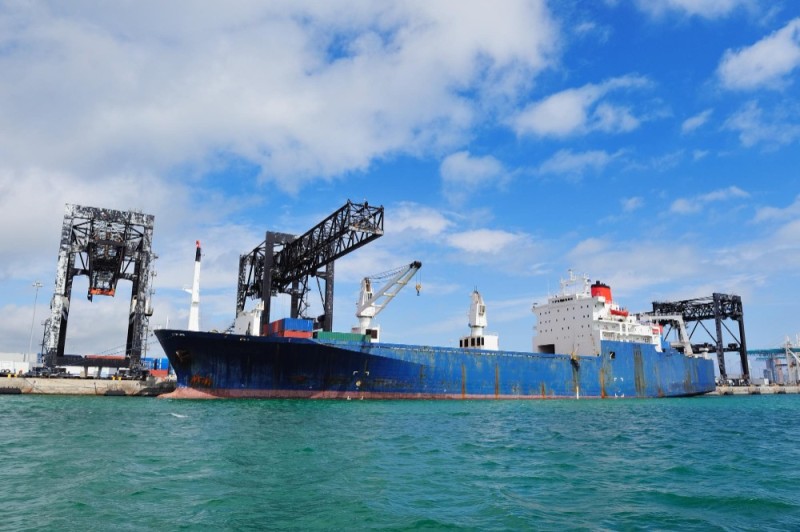
The Netherlands remains reliant on Russian liquid natural gas (LNG), sourcing about 12% from the country despite a European Union commitment to ban such imports starting next year. Alongside the Netherlands, Belgium, France, Spain, and Portugal continue to import Russian LNG, according to a report by the Institute for Energy Economics and Financial Analysis (IEEFA). Notably, Belgium still received 40% of its gas from Russia in the first quarter of this year.
While the exact amount of Russian LNG destined specifically for the Dutch market is challenging to determine, much of the imports that pass through Rotterdam are intended for other European nations. Jilles van den Beukel from The Hague Centre for Strategic Studies remarked to NOS that the volume was “much larger than I had expected.” The current import percentage has slightly decreased from 2025 when it was 13%, yet it is significantly lower than in 2022 when the figure reached 34% following the onset of the Ukraine conflict.
The increase in LNG imports from Russia observed in 2025 is attributed to long-term purchasing agreements that are difficult to terminate, as explained by climate and green growth minister Sophie Hermans. In response, the IEEFA has urged European nations to accelerate investments in renewable energy to curb gas consumption, aiming for a potential 14% reduction by 2030, which would decrease demand by 23%.
As part of the EU’s strategy, imports of Russian natural gas by sea container are set to be banned from 2027, with pipeline imports ceasing next spring. The Netherlands, like other European countries, has turned to the USA for natural gas, with American sources now accounting for 77% of imports. However, the conflict between Iran and the USA, resulting in the closure of the Strait of Hormuz—a critical passage for 20% of the world’s liquid gas supplies—has complicated the EU’s efforts and driven up prices.
Van den Beukel suggested that the EU might reconsider the timeline for the ban, balancing the challenges of a tighter LNG market and the strategic goal of not supporting Russia financially. “I wouldn’t raise my eyebrows if Brussels postponed the date for the ban again,” he noted, highlighting the complexities of economic and geopolitical considerations in Europe’s energy policies.