
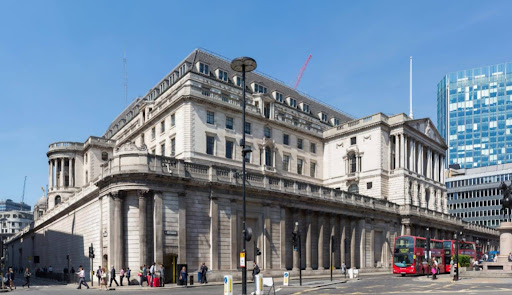
The spectre of Iranian oil disruption is looming over the UK economy, with the Bank of England voting unanimously to hold rates at 3.75% on Thursday and warning that the war’s impact on global energy supply could push UK inflation above 3% and require rate hikes. The monetary policy committee described the US-Israel conflict against Iran as a significant new shock that had changed the near-term economic outlook, driven primarily by the threat to global oil and gas markets. Officials said the inflationary consequences of the disruption could last well into 2026.
Iran is a significant oil producer and the conflict has raised concerns about both direct supply disruption and the broader stability of energy supply routes in the region. Even the prospect of disruption has been sufficient to push global energy prices higher, demonstrating the sensitivity of markets to geopolitical risk in a region that plays a central role in global energy supply. The UK, as an energy importer, is directly exposed to these price movements.
Governor Andrew Bailey pointed to the rising petrol prices already being felt across the UK as evidence that the Iranian oil disruption was not merely a theoretical risk but an economic reality already in progress. He warned that the effects could spread to household energy bills if the disruption proves lasting. The Bank would act through monetary policy if necessary to prevent the shock from becoming entrenched inflation.
Financial markets moved decisively to reflect the energy disruption risk. UK gilt yields rose, the FTSE 100 fell, and the pound strengthened against the dollar as traders adjusted their expectations for UK monetary policy. Analysts noted that the energy price channel was the primary mechanism through which the conflict was affecting UK economic conditions.
For UK businesses and consumers, the Iranian oil disruption represents a specific and concrete threat that differs from previous supply-side shocks in its geopolitical complexity. The disruption is not the result of a technical failure or a market imbalance that can be quickly corrected, but of a military conflict whose duration and intensity are impossible to predict. Planning for the economic consequences of such a disruption requires a different kind of scenario analysis than the UK economy has typically needed to undertake.