
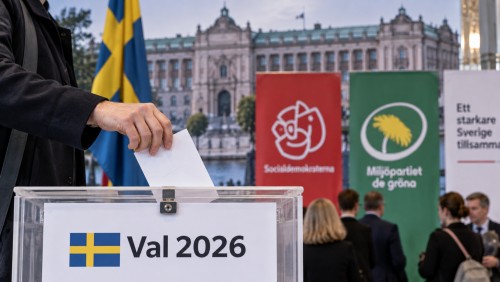
In Sweden’s recent parliamentary elections, the red-green opposition has emerged narrowly victorious, securing 176 seats in the Riksdag, as opposed to 173 seats for the Tidö parties, according to preliminary results. This outcome marks a significant shift in the political landscape, with the Social Democrats leading the charge.
The Social Democrats garnered 28.0% of the vote, translating into 99 seats, while the Moderates captured 19.8% of the vote and 70 seats. The Sweden Democrats followed with 17.5% and secured 62 seats. Meanwhile, the Left Party increased its presence, winning 8.4% of the vote and 30 seats.
The election saw the Center Party receiving 7.0% and claiming 25 seats. The Christian Democrats and the Green Party each secured 22 seats, with the former achieving 6.2% of the vote and the latter 6.1%. The Liberals rounded out the results with 5.3% of the vote, translating into 19 seats in the Riksdag.
Voter turnout for the election stood at 84.8%, a slight increase of 0.6 percentage points compared to the 2022 election. This heightened participation reflects the electorate’s engagement in shaping the country’s political future.
Notably, the Social Democrats and Sweden Democrats experienced the largest declines in seats, losing eight and 11 seats respectively compared to the previous election. In contrast, the Left Party saw a gain of six seats, indicating a shift in voter preferences.
While these figures are preliminary, they are subject to change pending the final vote count, which involves additional checks that may alter the current seat distribution. The final results will solidify the composition of Sweden’s Riksdag and the balance of power moving forward.