
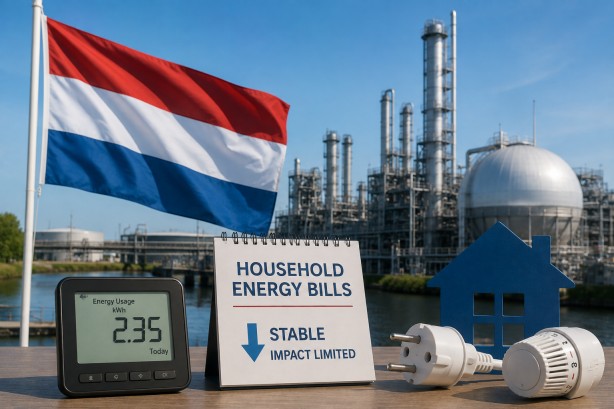
While the ongoing conflict involving Iran has led to higher energy prices globally, Dutch households have not seen a significant impact on their energy bills so far this year. In the first six months, the average monthly energy payment for Dutch families has hovered around €160, as electricity prices have largely stayed in line with previous years’ levels despite an uptick in gas costs. This stability has allowed many households to renew their energy contracts at rates similar to what they were paying before, thereby keeping their overall energy expenditures relatively stable.
This stands in stark contrast to the energy crisis of 2022, when household energy bills surged sharply in the wake of Russia’s invasion of Ukraine. The current situation appears much more stable, offering some relief to consumers who had braced for potential price spikes due to the geopolitical tensions affecting the energy market.
However, while energy bills have remained stable, Dutch households have experienced a noticeable increase in fuel costs. Between March and July, the average spending at petrol stations rose to approximately €765, up from €708 during the same period last year. This change suggests that while fuel prices have climbed, the increase in actual spending has been somewhat moderated.
The smaller rise in fuel expenditure compared to the increase in pump prices indicates that some households might be adjusting their behavior to cope with rising costs. This could include driving less frequently or opting for more economical fuel stations as a way to manage their budgets effectively amidst the fluctuating market conditions.